Everyday Joint GuideClear, practical guidance for more comfortable movement
✉ Tell a FriendCompare Options
Guides

Joint pain after an injury: sensible next steps

Check function, swelling, and warning signs before deciding what to do.

Explore the basics Know when to seek care →
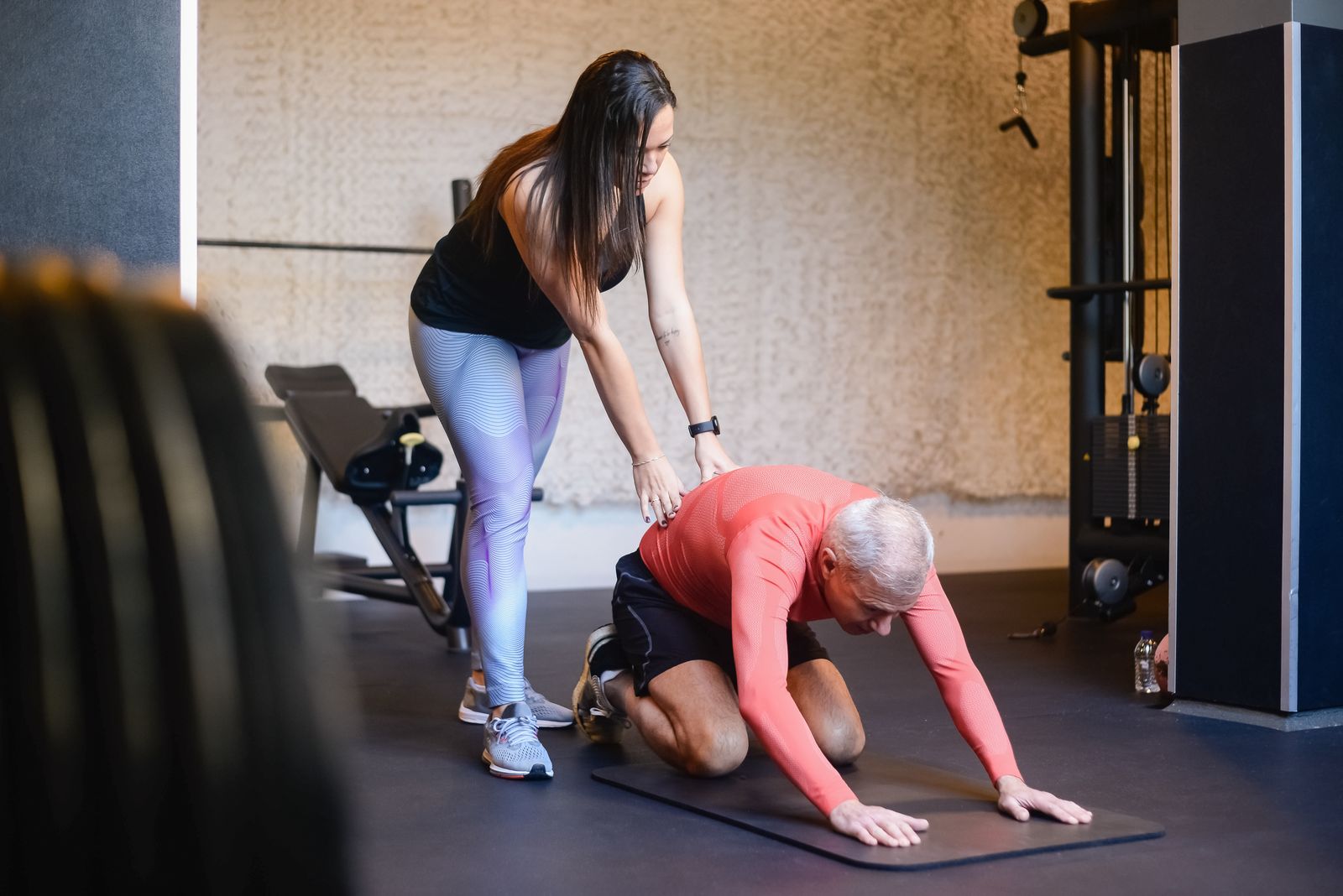
Older adult exercising with professional guidance
Photo: Kampus Production / Pexels
Guides

Choose changes you can repeat

You do not need to do everything perfectly. Start with one modest adjustment and review how your body responds.

Check function, swelling, and warning signs before deciding what to do. A symptom is information, not a diagnosis. A qualified clinician can use your history, examination, and appropriate tests to guide next steps.

Questions worth recording

  • What movement or time of day changes the feeling?
  • Is it improving, stable, or becoming more limiting?
  • Are swelling, warmth, weakness, or numbness present?
  • What have you tried, and what happened?
Older adult exercising with professional guidance
Photo: Kampus Production / Pexels

Observe

Keep short notes about timing, activity, sleep, and function.

Adapt

Reduce avoidable strain and choose comfortable movement.

Review

Change one factor at a time so the response is easier to judge.

Escalate

Seek care when symptoms persist, worsen, or limit daily life.

Keep it realistic

Use a steady, individual approach

If you’ve ever felt stuck, focus on the next useful decision rather than a perfect plan. Gentle movement can be appropriate for many adults, but the right amount and type depend on the cause and your health history.

Start with the option that feels realistic for your life, then review the response rather than chasing an instant transformation.

Trusted health information

Read the NIAMS overview, CDC activity guidance, and NHS joint-pain guidance.

Everyday equipment

Popular tools readers often compare

As an Amazon Associate I earn from qualifying purchases.
Quick answers

Frequently asked questions

Can I identify the cause of joint pain after an injury: sensible next steps from symptoms alone?

Usually not. Similar symptoms can have different causes, so a qualified clinician should diagnose persistent, severe, or unusual symptoms.

Should I stop moving when a joint feels uncomfortable?

Not automatically. Gentle, tolerable movement can be useful for many people, but the response depends on cause, severity, and recent injury.

When should I ask for professional advice?

Seek advice when symptoms persist, recur, affect sleep or normal activities, or concern you. Use urgent care for the warning signs on this page.

Can a product replace medical care?

No. Supports, topical products, supplements, and programs do not replace diagnosis, treatment, or individual safety advice.

Explore the full site

Start Here

A calmer way to understand everyday aches and joint painStart here: your practical joint-comfort roadmap

Guides

Joint pain basics: what your body may be telling youWhen joint pain needs medical attentionOsteoarthritis explained in plain EnglishInflammatory arthritis: signs worth discussingJoint pain after an injury: sensible next stepsWhat to expect from physical therapyHow occupational therapy can support daily life

Body Areas

Everyday knee pain: a practical guideHip discomfort and daily movementHand and finger aches: making daily tasks easierWrist discomfort from work and daily tasksShoulder pain and comfortable reachAnkle and foot joint comfort for everyday walkingNeck stiffness: work, sleep, and movement habitsLower-back and pelvic joint comfort

Movement

Building a gentle walking habitLow-impact activities to discuss with your clinicianMobility or stretching: what is the difference?Why strength around a joint can matterA simple warm-up before everyday activityPacing activity without giving up your day

Everyday Relief

A gentler morning routine for stiff jointsWhat to consider when joint pain interrupts sleepHeat or cold for joint discomfort?

Lifestyle

Gardening with less unnecessary strainA joint-friendlier desk setupMake kitchen tasks easier on hands and jointsPlanning travel when joints are unpredictableComfortable sleep positioning to explore

Products

Braces and supports: questions before buyingWalking aids: choosing and fitting safelyHeating pads and wraps: a careful buyer guideReusable cold packs: practical features to compareSupportive walking shoes: what to compareEveryday ergonomic tools for easier grippingJoint supplements: a cautious comparison guide

Reviews

Joint Genesis review: what to check before decidingBalmorex Pro review: questions for topical productsMy Back Pain Coach review: evaluating a guided program

Compare

Compare joint-comfort products without the hypeHeat versus cold: a quick comparisonBrace or compression sleeve?Walking shoes or insoles: where to start

Resources

How to keep a useful joint-symptom diaryJoint-pain appointment checklistJoint-comfort resource libraryJoint pain questions people often ask

About

About, disclosures, and health disclaimer